Neon Hunger
I painted walls, subway tunnels, stolen billboards. Loud, fluorescent, furious.
I paint the hunger. America that eats, Europe that forgets, the self that remains.
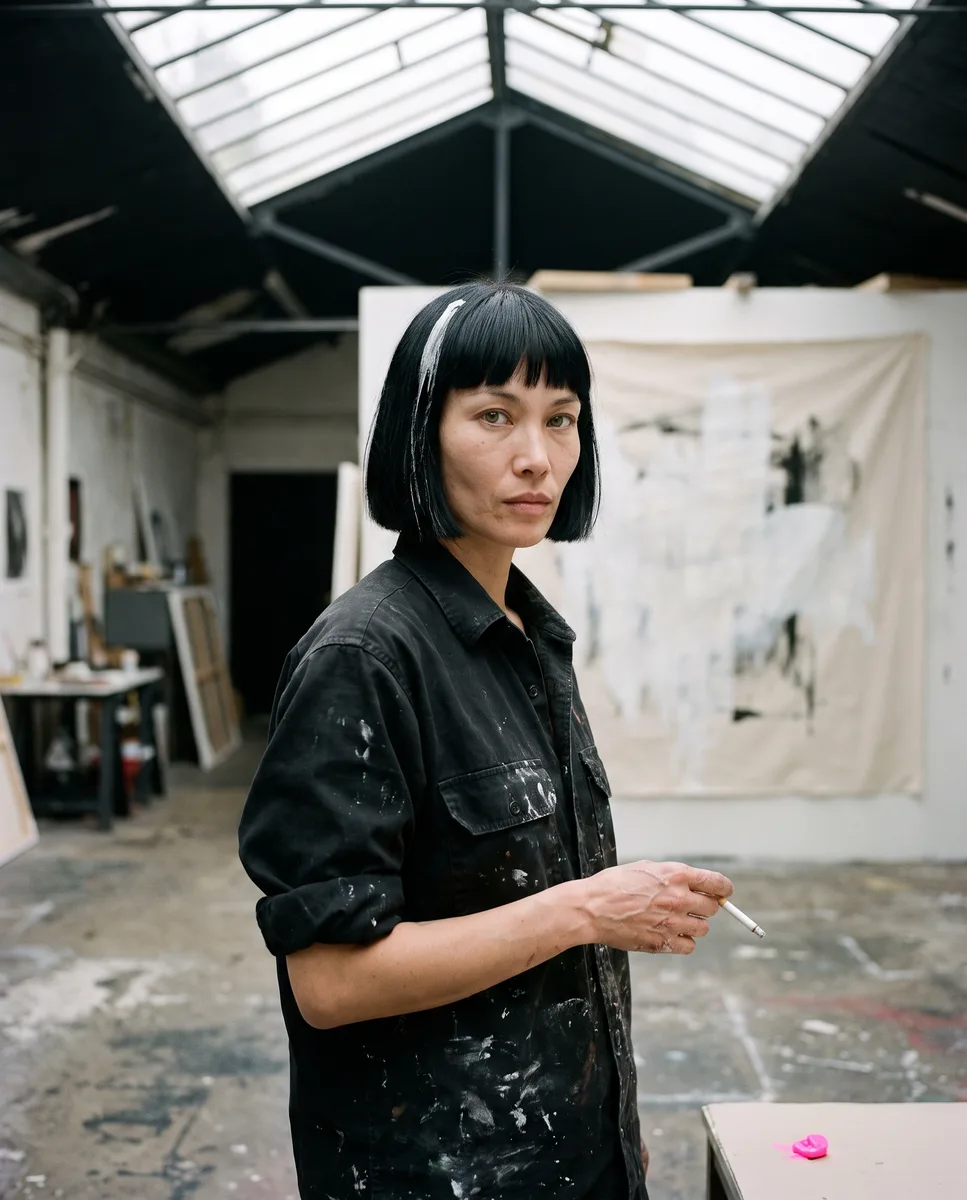
“I don’t paint people. I paint what’s left of them after the market is done.”
I use oil, enamel, spray paint, bitumen. Sometimes my own ash, sometimes salt from the Channel. Open any work to see it large.
I painted walls, subway tunnels, stolen billboards. Loud, fluorescent, furious.
In Paris the color drained out of me. Bodies became products, then ghosts.
The noise stopped. White, salt, chalk, ash. I finally paint what is left inside.
The last one I speak best.
There is a photograph lying face-down on my studio table. Nobody has ever turned it over. Nobody will.
I was born on March 3, above a laundromat on Roosevelt Avenue. The 7 train shook our windows every four minutes. My mother, Rosario Mamani from El Alto, sang me Aymara lullabies. My father, Daniel Harlow from Halifax, taught me to letter storefronts by hand: check cashing, 24 hrs, liquor, open. That was my first alphabet. Wara means star in Aymara. He never learned to say it right.
A hospital in Queens. I don’t talk about it. Ask me about color instead.
At sixteen, I was painting trains.
They wanted me to explain. I wanted to scream. So I left.
I left New York with one suitcase and a roll of unstretched canvas. Paris took me in the way it takes in all its wounded: without asking, and without forgiving.
I bought a stone barn near Fécamp with the money from one painting. No internet, one wood stove, a dead apple orchard.
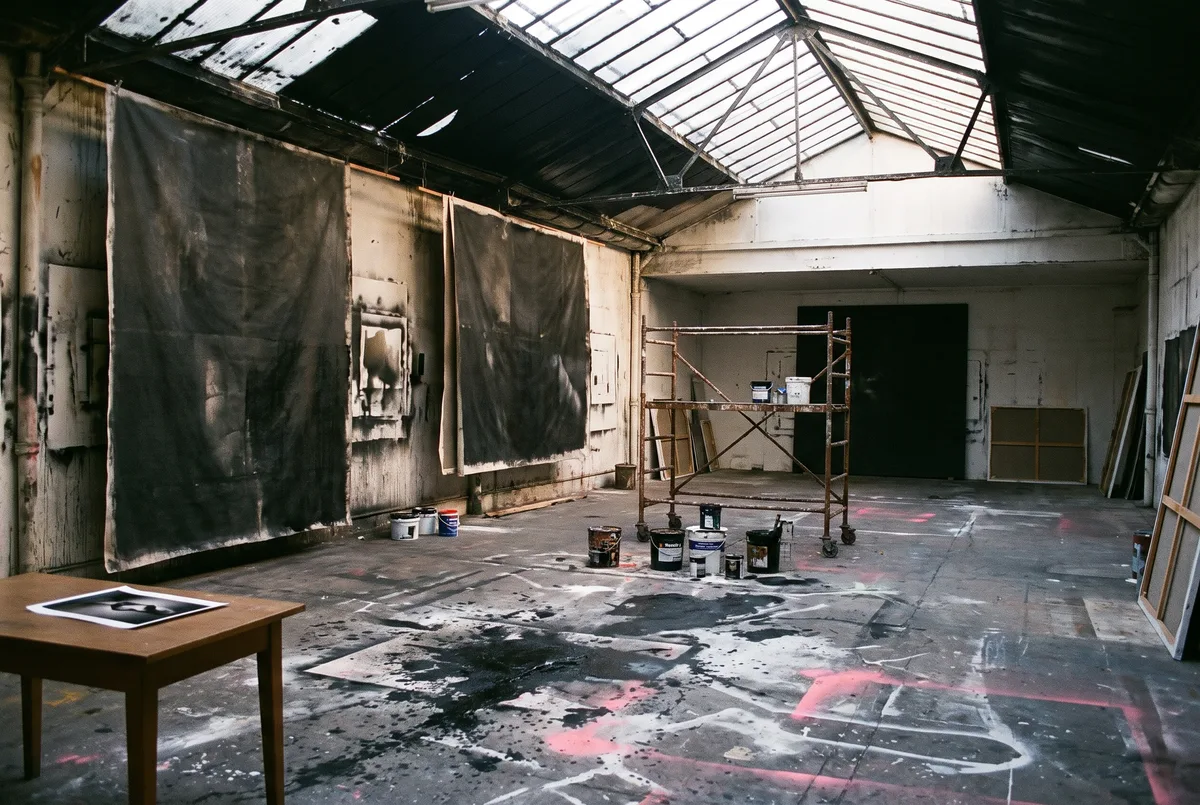
An old zinc workshop with twelve-meter walls, where my biggest canvases hang like slaughtered sails. At night it fills with musicians, poets and collectors, sometimes in the same breath. When I paint, the door is locked.
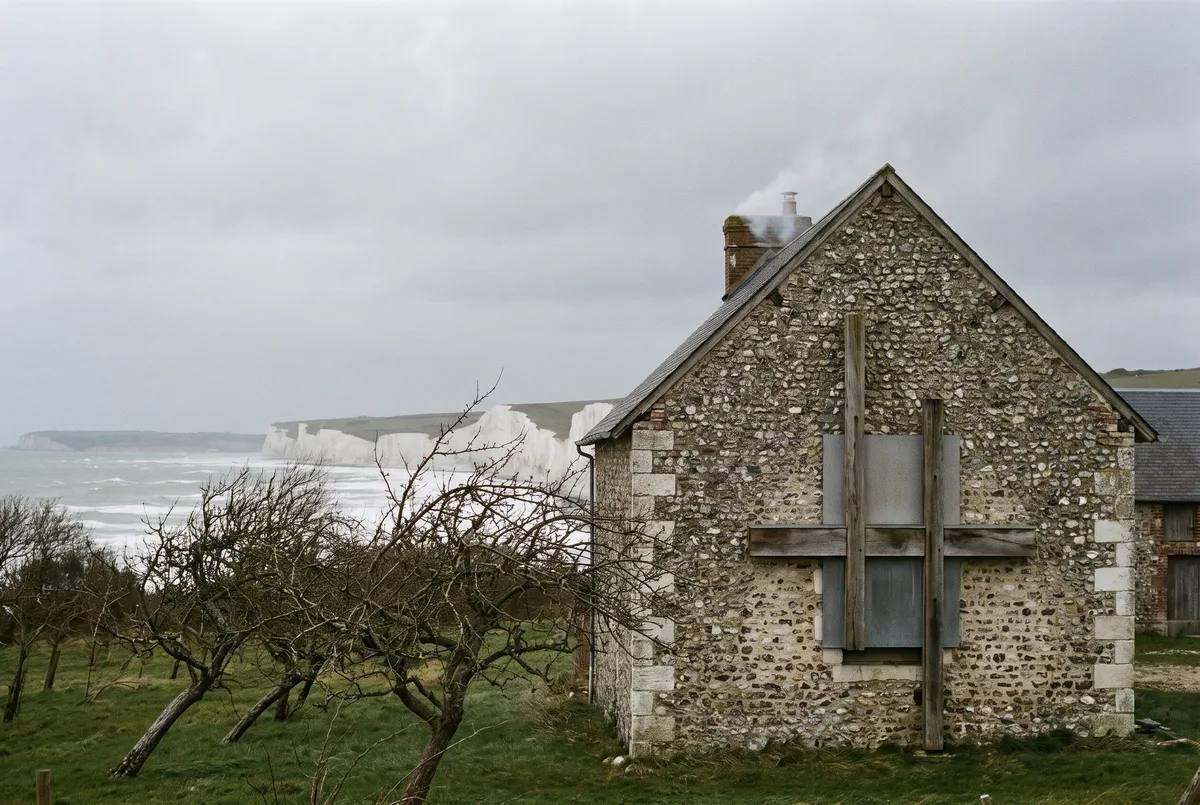
Chalk cliffs and a wind that never stops. I go there to disappear. It is where my quietest paintings were born.
My first show. Eleven works lit by flashlights, forty people and three rats.
An illegal basement under a closed bodega. The police came before the wine ran out.
Six nights, no electricity. The first time I showed Les Sans-Visage, by candlelight.
One night in the limestone quarries under the 14th arrondissement. I sent the invitations as coordinates.
A group show of artists of the collapse, inside the old Cold War listening station.
One painting, visible only at low tide, for three weeks. Then the sea took it back.
I still refuse most white-cube galleries. Except one, and only because the owner once let me sleep there.
“Every painting is a door I close behind me. One day there will be no more doors, and I will finally be home.”
In Belleville, they say I paint America so I never have to go back.
In Normandy, they say I paint the sea so it will forgive me.
In New York, they say I was never really there.
I answer letters from Belleville, slowly. Never in the first week of March.
Write to me